
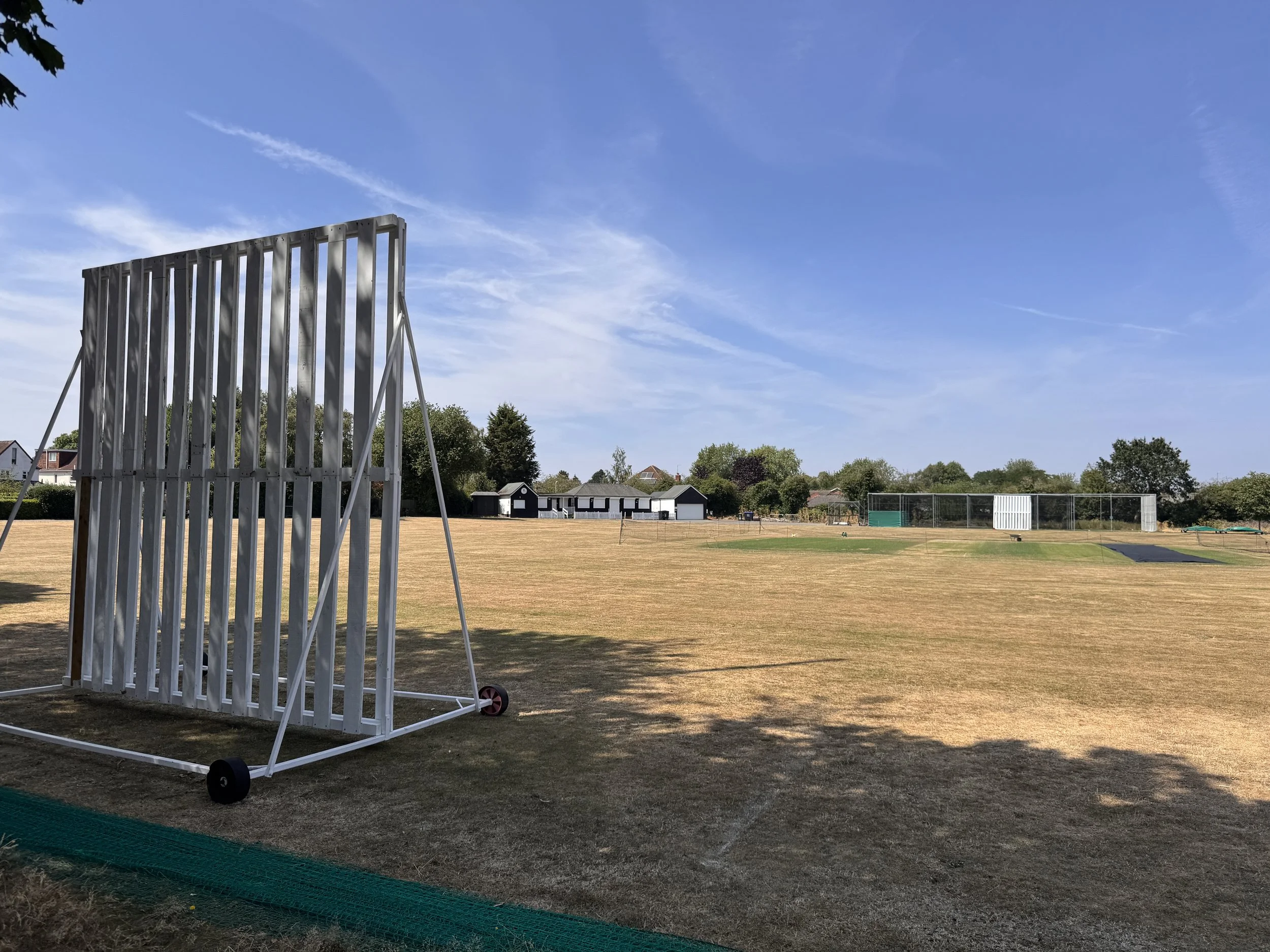
We often talk about sport as a force for better health, stronger communities and economic growth. But what happens when the conditions that allow sport to thrive are themselves under threat?
The report from the World Economic Forum and Oliver Wyman, Sports for People and Planet, makes a striking case for taking this question seriously.
The global sports economy currently generates an estimated $2.3 trillion a year. It is projected to reach $3.7 trillion by 2030 and $8.8 trillion by 2050.
Yet the report warns that physical inactivity, climate change and nature loss could put up to $1.6 trillion in annual revenue at risk by 2050 — around 18% of projected revenues.
That is a remarkable figure. But the implications go much further than the balance sheets of professional clubs, broadcasters and major sporting events.
The risks are already visible. Our rugby season delayed by unplayable pitches or floods preventing matches every winter
More than 90% of professional sport’s media rights revenue and 76% of sponsorship revenue are linked to outdoor activities.
Heat, flooding, water shortages and extreme weather can disrupt competitions, damage facilities and undermine the commercial value of sporting events.
But what interests me just as much is the impact on everyday participation.
Sport England’s research following the June 2026 heatwave found that 73.2% of adults who had experienced heatwaves reported doing less sport and physical activity as a result.
Meanwhile, around 120,000 football matches are lost annually in England because of bad weather.
For a professional organisation, a cancelled event can mean lost revenue and commercial disruption. For a grassroots club, repeated cancellations can mean lost income, frustrated volunteers and players who gradually stop turning up.
And when facilities become unusable, it is often the people with the fewest alternatives who lose out.
This is about health, inequality and local economies
We should not treat climate resilience as a separate environmental agenda.
If people cannot safely exercise outdoors during prolonged heat, or their local pitch is repeatedly waterlogged, opportunities to be active diminish.
That matters because physical activity supports physical and mental health, social connection and community wellbeing.
It also matters economically. Less participation risks weakening the very foundations on which the sports economy depends: active participants, future athletes, spectators, volunteers and engaged communities.
The danger is a reinforcing cycle. Environmental pressures make activity harder, inactivity undermines health, and declining participation threatens the long-term sustainability of sport itself.
Three priorities for action
1. Invest in resilient local facilities.
Drainage, shade, heat management, water efficiency and energy improvements should be part of long-term planning for sports facilities. We need to think about the conditions in which people will be playing sport in 10, 20 or 30 years, not simply repair the damage from last winter.
2. Put physical activity at the heart of place-making.
Parks, public spaces, active travel routes and community sports facilities should be considered part of our health and economic infrastructure. Local authorities, health partners, sports organisations and developers all have a role to play.
3. Connect commercial growth with social and environmental value.
Sport has enormous cultural reach and attracts significant investment. Sponsors, governing bodies, clubs and event organisers should use that influence to improve sustainability, protect participation and demonstrate measurable outcomes.
Sport can be part of the solution
There is a tendency to see sport either as an industry that must reduce its environmental footprint or as a victim of climate change.
It is both — but it can also be an important part of the response.
Sport can bring communities together, encourage active travel, normalise healthier lifestyles and give environmental action a practical, local meaning.
The opportunity is to connect the agendas that too often sit in separate policy boxes: public health, climate adaptation, economic development, community infrastructure and sport.
The $1.6 trillion figure should get the attention of the commercial sports industry. But the bigger question for those of us interested in public policy and community wellbeing is this:
How do we make sure that sport remains accessible, affordable and enjoyable for everyone in a changing climate?
Because the real test of a sustainable sports economy is not simply how much money it generates. It is whether it continues to help people lead healthier, more connected lives.
I’d be interested in how sports organisations, local authorities and Active Partnerships are responding to these challenges — and what more we should be doing together.
I have been working with an organisation at the heart of this debate during this year and I have loved discovering how much is going on already across our sector.
But what is still missing is collaboration and cross sector learning and scale and the genuine leadership at the top - apart from some notable exceptions!
The forces denying climate change are growing in confidence and funding since the USA went rogue. But the vast majority of the public know and understand what is happening and we need to embrace that and give ourselves the confidence to tackle this problem together.
Sources: World Economic Forum and Oliver Wyman, Sports for People and Planet (January 2026); Sport England, Too hot to move?; UK Government research on the financial implications of climate change for grassroots sport.